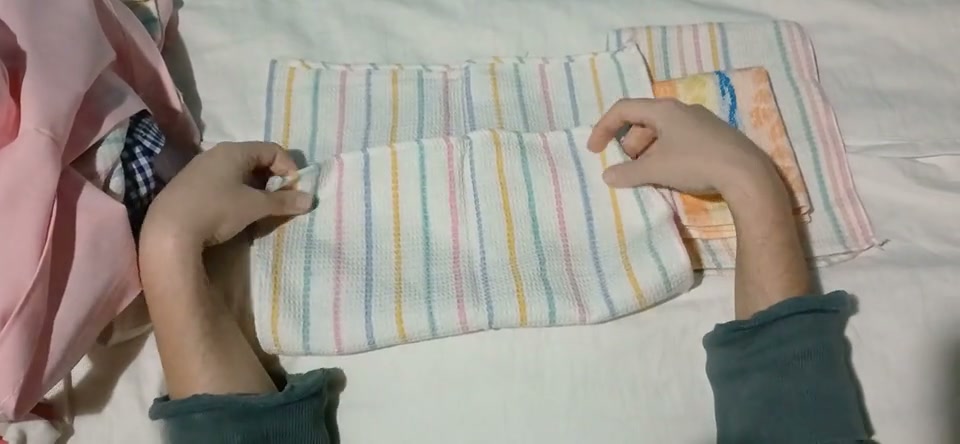
One task. Clear recording boundaries.
Start the scoping discussion with one linen-handling routine, one staff-only workspace and a two-hour recording window. This is a proposed starting scope: the site, participants, duration, price and deliverables are agreed in writing before scheduling.
Define the task and its purpose
Choose a routine such as folding and stacking towels. Document its starting state, action vocabulary, variations and observable completion checks. Agree whether the data supports task understanding, policy training or evaluation.
Agree participation and data use
Brief participating staff on what is recorded, who can access it and how it can be used. Record consent and the agreed participation, withdrawal, retention and licensing terms before capture. Keep the task demonstration separate from staff performance evaluation.
Protect guest privacy at the source
Use a staged, staff-only area with no guests or belongings. Remove room numbers, reservation screens and other identifying material. Define exclusion zones and a stop-recording procedure; review the footage for unintended identifiers before any release.
Set the camera before recording
Agree a fixed view of hands, objects and work surface, or a first-person view where the task needs it. Check framing with the participating staff, minimize faces and disable audio unless explicitly required and agreed. Record controlled variations within the approved area.
Return a reviewable pilot pack
Specify source clips, time-aligned actions, object references, JSON/CSV records, a data card and a review log in the pilot brief. Agree the hotel’s copy of the task map and approved recordings, its review step and permitted reuse before capture. Participation does not include a promise of robot deployment or staff time savings.
Judge the data before scaling the collection.
Agree acceptance checks for visible task coverage, timing consistency, missing or occluded actions, privacy review and file validity. Separate clips used for training from those reserved for evaluation, with the split defined in the data card.
The buyer receives the agreed evidence and review status for each record. Claims about autonomous performance or time saved need a separate robot evaluation in the target environment.
Current status: public demonstration available; on-site pilot at the scoping stage. No named hotel endorsement or measured operational result is presented.
See the Hospitality task library.
Explore six task excerpts, inspect actions and objects over time, review source information and prepare a task brief on the Industry Hospitality page.
Explore Industry Hospitality →