Physical tasks. Structured for AI.

Task-focused video collection, curation and annotation for visual understanding and embodied AI.

WORKED EXAMPLES / VIDEO DATA

Start with an industrial task.

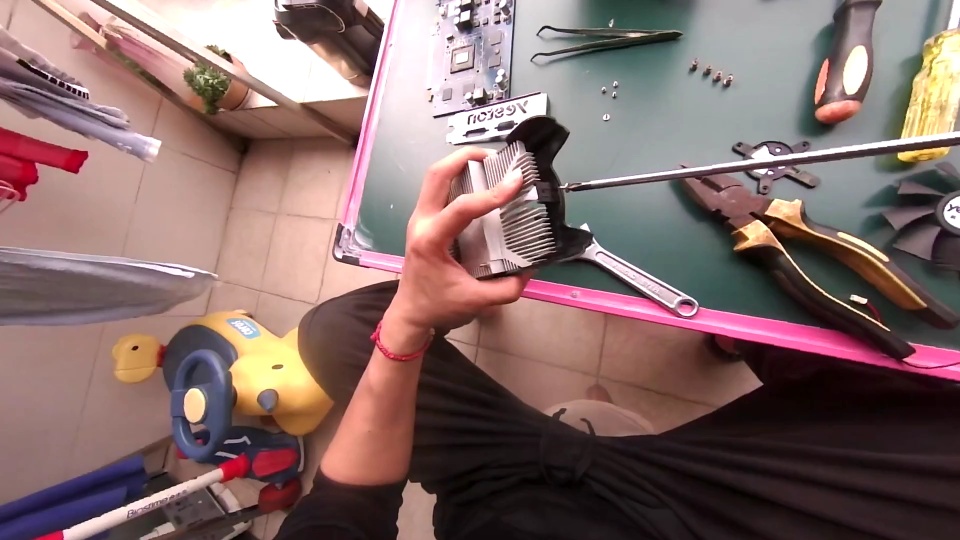
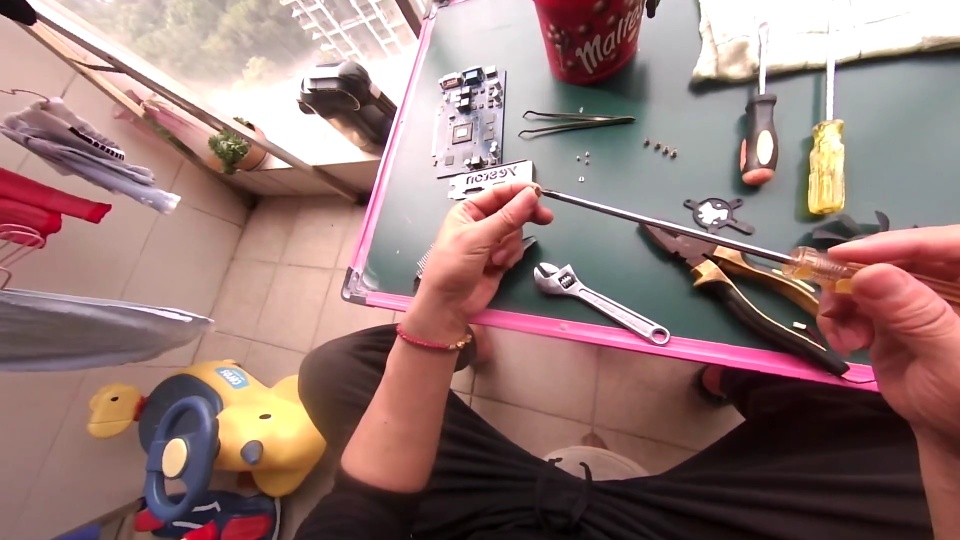
Evaluation samples with AI-assisted annotations. Independent expert validation is pending. View quality and review scope.

SYNCHRONIZED SAMPLE EXPLORER

Component handling & screwdriver operation

FRAME 0000 / 1350
00:00.0000:45
Loading object evidence…
Loading independent inference…Source RGB

Annotations over time

Select a segment to inspect its record.

00:00–00:15
LEFT HAND
RIGHT HAND
OBJECTS
DESCRIPTION
Half-open frame intervals · semantic boundaries estimated within ±15 frames
Inspect linked recordsSource evidence, actions, objects and JSON

SOURCE → ACTION → OBJECT → RECORD

The record at this moment.

Loading…

Source-linked annotation. Model track IDs are not verified anatomical hand identities.

MEASURED QUALITY

Know what was measured.

Download quality report
Inspect experimental stereo estimates 3D / PARTIAL COVERAGE

No frame loaded

Camera-frame geometry

Points are triangulated from the two views using supplied calibration. Rejected observations remain missing.

The display is centred for inspection. Full camera-frame coordinates are exported in metres.

Internal reprojection checks do not establish physical accuracy. This sample is not qualified as validated full-hand 3D data.

STRUCTURED DELIVERY

Open the records.

Dataset card / JSON
annotations.jsonDownload full file
Loading…

Bounded preview. The download contains the complete file.

Take the examples with you.

Download the three examples, linked annotations and method notes for evaluation.

Download annotation pack

DELIVERY & ACCEPTANCE

Define the target.
Verify the evidence.

This sample demonstrates a processing and inspection workflow. A customer delivery needs agreed task coverage, annotation rules and measurable acceptance criteria.

Video programs

Define what the model
needs to observe.

Start with the task, environment and viewpoint. Agree capture specifications and annotation depth before producing a corpus.

Task video collection

Scope participant demonstrations of everyday or workplace tasks. Define first-person or external viewpoints, scene coverage, task variations and authorized recording conditions.

Task brief · Capture protocol · Participant permissions

Video curation & annotation

Prepare footage you are authorized to provide, or explore licensed archives. Select relevant clips and add temporal action segments, object labels and task context under an agreed schema.

Corpus selection · Temporal labels · Human review

Dataset licensing

Scope a license for a defined video corpus with documented source history, annotations and permitted uses. Corpus availability, coverage and distribution rights are confirmed for each project.

Corpus scope · Delivery specification · Usage license

These are scoped offers. Capture capacity, equipment, environments, available footage and delivery timelines are confirmed during pilot design.

CAPTURE SETUPS

The right view.
For the task.

Our starting point is single-camera smartphone video. The task defines the viewpoint, recording conditions and annotation layers.

Discuss your capture requirements

Start with the current baseline. Assess additional setups against your project’s needs.

Capture configurations, use cases and current scope at Supraway
SetupCaptureUseful forScope
Single-camera1 smartphone · RGB videoFirst-person tasks, actions and scene contextCurrent baseline
Stereo2 synchronized cameras · calibrated depthSpatial relationships and 3D scene contextSetup to qualify
Three-camera3 cameras · wider visual coveragePeripheral context during manipulationSetup to qualify
Head + wristHead view + 1–2 wrist camerasClose-up views of grasping and fine movementsSetup to qualify
Cameras + gripperMultiple views + instrumented gripperDemonstrations with measured motion and grip stateRobotics integration required
Overhead1–2 fixed cameras above the workspaceWorkspace coverage and two-hand interactionsSetup to qualify
TeleoperationRobot cameras + joint states and commandsRobot demonstrations for imitation learningRobotics integration required

A method built for visual evidence

From footage
to labeled task sequences.

Keep the connection between the video, the action and the evidence used to review each annotation.

  1. Specify the capture

    Define tasks, viewpoints, recording duration, frame rate, resolution and scene conditions. Include participant and source permissions in the collection brief.

  2. Curate & segment

    Review visibility, task relevance and clip boundaries. Record exclusions and preserve links between clips and their source footage.

  3. Annotate the task

    Label action intervals, relevant objects and task context. Additional layers such as hand keypoints are scoped separately, with estimated labels identified as such.

  4. Review & deliver

    Agree human review, coverage and acceptance criteria. Deliver the media, linked annotations and documented limitations in the required format.

What a client receives

Video clips.
Labels that stay linked.

Specify the product as media plus annotation layers and documentation, ready for the intended training or evaluation workflow.

Curated video

Clips in the agreed format, with source identifiers, recording specifications and capture context.

Temporal annotations

Time-linked action labels, object references and task metadata in formats such as JSON or CSV.

Quality & rights records

Review status, coverage notes, source history, privacy treatment and the scope of the usage license.

Use cases may include action recognition, visual task understanding and embodied-AI training or evaluation. Video alone does not establish robot actions, calibrated 3D trajectories or verified task success.

Source rights & review

Capture with permission.
Document the evidence.

Collection and source agreements define the people, locations and material that may be recorded, transformed and shared. Privacy treatment and downstream AI uses are specified for each program.

Draft annotations and model-estimated coordinates are distinct from expert-validated labels and calibrated measurements. Dataset documentation carries the relevant review status and limitations.

Privacy and data use

For AI teams

Scope your next
video dataset.

Share the tasks, environments, viewpoints and annotation layers your project needs.

For dataset and licensing enquiries, email data@supraway.ai.

Discuss a video dataset

For data partners

Work with an
authorized video corpus.

Discuss footage you control and the rights and preparation needed for a data program.

Discuss a video partnership