Real repair skills. Data for robotics.

From the first inspection to the final check: capture how technicians use tools, handle components and complete vehicle maintenance tasks.

Supraway structures human demonstrations into video data for AI training and evaluation. Each workshop collection starts with a defined task, site access, permissions and acceptance criteria.

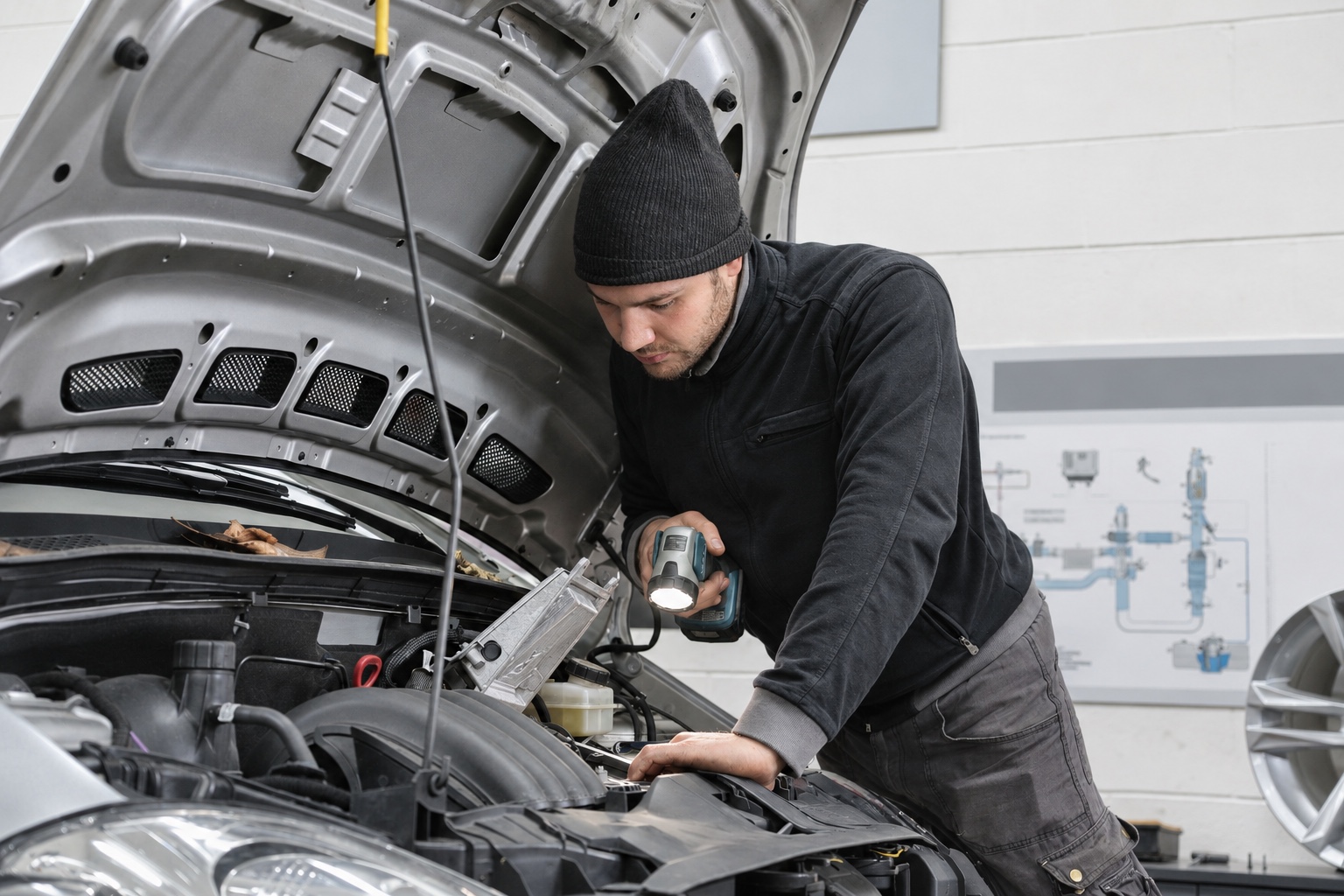
A mechanic using a handheld lamp to inspect an engine compartment; lightly retouched real photograph
Image context
Activity
Automotive maintenance
Task
Inspect an engine compartment
Action
Illuminate and examine components
Equipment
Handheld inspection lamp
Viewpoint
Third-person photograph

Illustrative photograph. These labels describe the visible scene, not a Supraway collection record.

Professional inspection in a real workshop. Original photograph, lightly retouched.

Understanding the work behind a repair.

A repair is a sequence of decisions and physical actions. A technician finds the relevant component, selects a tool, gains access, removes or adjusts a part, then checks the result. Useful data keeps those steps connected to the initial condition and the reason for the intervention.

The goal is to preserve the observable work: hands, tools, fasteners, connectors and component state. Diagnostic readings and technician explanations can add context when explicitly included in the brief. A video alone does not establish the cause of a fault or certify that a repair was correctly completed.

Different trades. Shared industry.

Explore a first selection of roles and task examples. The directory also connects trades that work across industries.

Maintenance & repair

Automotive technician

Inspect, remove, replace and reassemble accessible vehicle components within a defined workshop procedure.

Example tasks
  • Replace an accessible rear lamp assembly.
  • Remove and replace an air filter.
  • Refit a component and record the completion check.
Explore this trade →

Maintenance & repair

Maintenance technician

Document inspection, component replacement and functional checks on agreed equipment across different workplaces.

Example tasks
  • Inspect a stopped piece of equipment and identify the component to service.
  • Replace an accessible removable component.
  • Reassemble the equipment and document an agreed functional check.
Explore this trade →

Inspection & quality

Vehicle diagnostic technician

Connect inspection tools, locate relevant components and document visible readings and technician-confirmed findings.

Example tasks
  • Connect a diagnostic device and capture the permitted screen information.
  • Locate a component using an inspection lamp.
  • Repeat an agreed check and compare the recorded readings.

Assembly & wiring

Automotive electrical technician

Record agreed low-voltage connector, wiring and component work performed by a qualified technician.

Example tasks
  • Identify and release an accessible connector.
  • Route and secure a replacement wiring segment.
  • Reconnect a low-voltage component and record the specified check.

Mechanical assembly & finishing

Vehicle body assembly technician

Handle trim and body components, document fixing sequences and check visible fit and alignment.

Example tasks
  • Remove a trim panel while recording clip and fastener positions.
  • Position a replacement panel against its mounting points.
  • Inspect visible panel gaps and adjust the fit.

Maintenance & repair

Component refurbishment technician

Disassemble, inspect and reassemble selected components with a recorded review of their visible condition.

Example tasks
  • Disassemble a component on a workbench and organize its parts.
  • Inspect accessible surfaces and document visible wear.
  • Replace an agreed part and record the reassembly sequence.

Workshop tasks, step by step.

Start with one bounded procedure. These candidate tasks help define a collection brief; access, expertise and capture feasibility are confirmed for each project.

Work areaTasks to captureWhat the record should show
Inspection & diagnostic workflowLocate components, use an inspection lamp, connect a diagnostic tool and document observations.The inspected area, tool interaction, visible readings and technician-confirmed findings.
Filters & routine servicingAccess a filter housing, release its fixings, remove a filter and refit the assembly.Access steps, part orientation, tool changes and the before-and-after assembly state.
Battery & low-voltage checksRecord a professional testing or replacement procedure on an agreed low-voltage system.Instrument setup, visible readings, terminal interactions and the recorded check at completion.
Wheels & brake componentsDocument an authorized wheel or brake service carried out by a qualified technician.Component handling, fastener sequence and professional verification; torque needs instrument readings.
Connectors & component replacementRelease clips, disconnect accessible connectors, remove a component and fit its replacement.Hand roles, tool-to-part interaction, connector state and part identity at each step.
Reassembly & final checksReconnect, refit, inspect the completed assembly and record any correction or repeat check.Completion criteria, observable result, unresolved issues and reviewer status.

Keep the conditions around the gesture.

The same task can look different across vehicles, tools and workshops. A coverage plan makes those differences explicit and prevents a collection from clustering around the easiest or most visible episodes.

What variesExamples to includeContext to keep
Vehicle & componentDifferent layouts, part designs, fasteners, wear and access constraints.Agreed vehicle attributes, component IDs, initial condition and access steps.
Visibility & viewpointHands behind panels, tight engine bays, shadows, reflective metal and moving work lights.Camera setup, usable views, occluded intervals and reasons for rejection.
Tools & techniqueDifferent sockets, extensions, clips, workbench positions and two-hand strategies.Tool identity, task stage, hand roles and any tool or procedure change.
Interruptions & recoveryA part that does not release, repositioning, a tool change or a repeated inspection.The interruption, observed reason, corrective action and final review status.
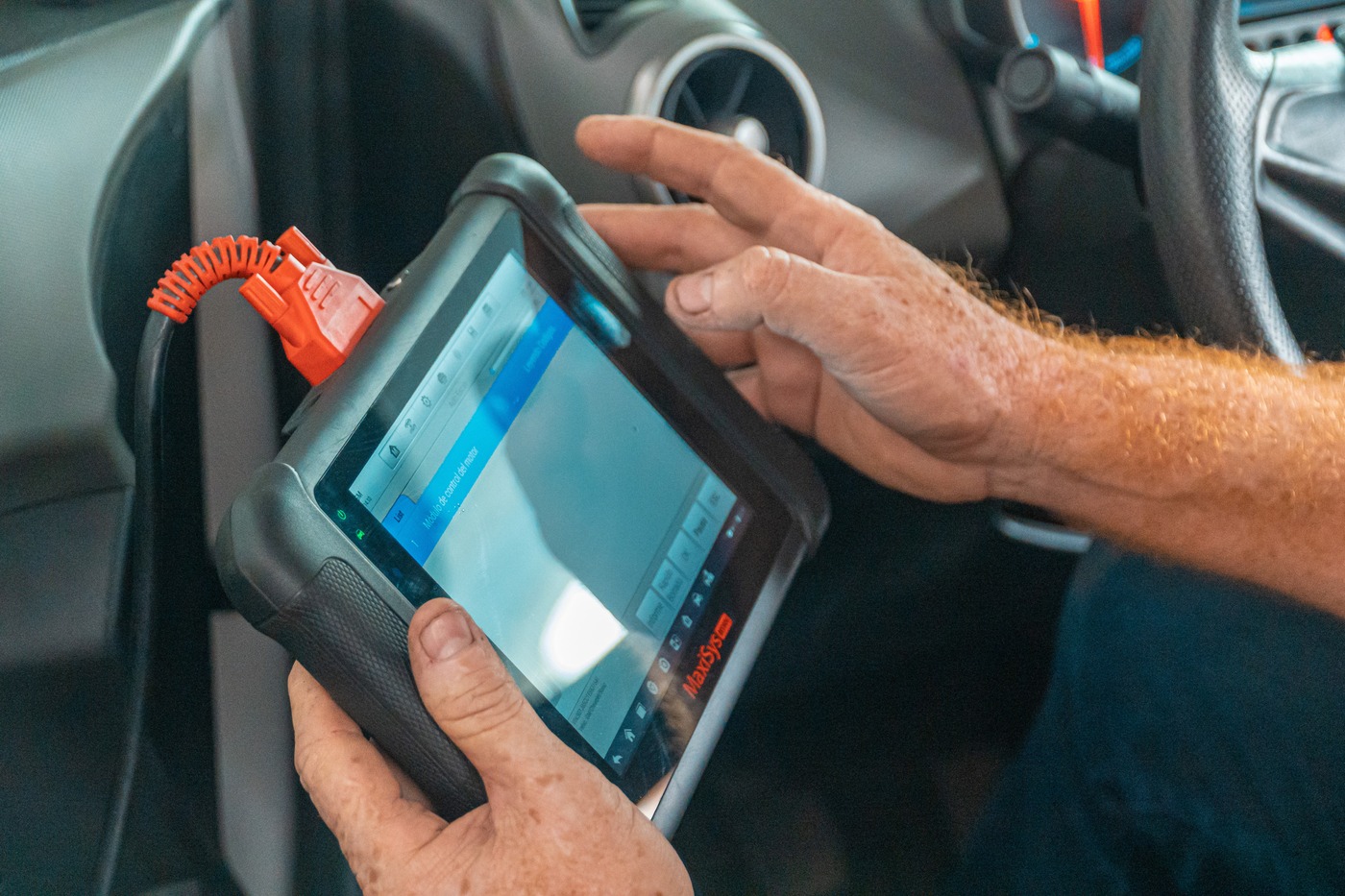
Real photograph of hands holding a diagnostic tablet inside a vehicle

A skilled action.
Its full context.

Connect the tool, the component, the observed reading and the next action to the same procedure.

ActionsToolsOutcomes

Illustrative photograph, separate from a collected dataset.

Choose the signal your model needs.

First-person video preserves the technician’s view of the task. A fixed or complementary camera may help when the vehicle hides the hands or component. Capture choices follow the learning objective and are checked on a small initial batch.

ObjectiveData to specifyAnnotations & review
Task & procedure understandingHuman RGB video with the starting state, full procedure and completion check.Step boundaries, hand actions, tools, components, interruptions and observed outcomes.
Hand–tool–object interactionViews that preserve both hands, tool orientation and the component being manipulated.Object references, contact intervals and visibility flags. Any inferred pose is labeled as derived.
Inspection & condition assessmentConsistent views of the inspected part, relevant instrument readings and expert review.Regions of interest, visible condition and reviewer-confirmed labels, with uncertainty retained.
Robot manipulation learningRobot observations paired with actions and state where the learning method requires them.Time alignment, action representation, calibration and hardware-specific completion criteria.
Evaluation & generalizationHeld-out procedures, vehicles or sites with a written evaluation protocol.Train/evaluation separation, task coverage, failure categories and independently reviewed results.

RGB video does not measure tightening torque, contact force or electrical state. Those signals require appropriate instruments and synchronization. Depth, 3D pose and robot action streams are separate requirements to confirm before collection.

Prepare the workshop, permissions and review.

Agree recording access with the workshop and participation with the technicians before capture. Define the permitted tasks, camera placement, recording windows and stop procedure around normal site operations. Qualified staff remain responsible for the work and follow the workshop’s service and safety procedures.

Customer faces, number plates, VINs, work orders and diagnostic screens can expose identifying information. Plan what must be excluded or de-identified, whether audio is needed, and how footage and metadata are reviewed before delivery. Recording permission, training rights, permitted recipients and retention are agreed for the project.

Begin with a feasible, bounded procedure. High-voltage work, moving vehicles, lifting operations and other specialist interventions require their own feasibility and safety assessment; they are not assumed to be included in a standard recording brief.

How Supraway structures workshop data.

Start with a task list, the target model capability and the evidence the buyer needs. Define episode boundaries, tool and component vocabulary, coverage variations and observable completion criteria. Keep technician-confirmed observations distinct from inferred labels.

A scoped pilot can include source video, an episode index, timestamped JSON/CSV annotations, capture metadata, a data card and a review log. Review the calibration batch for visibility, timing, coverage and label consistency before agreeing a larger collection.

Volume is defined in accepted task hours against written criteria. For multiple cameras, agree whether the unit is a synchronized task episode, rather than adding together the duration of each view. Pricing, delivery cadence and usage rights follow the agreed specification.

Explore workshop data partnerships ↗

Questions from robotics teams and workshops.

Can we start with one repair procedure?

Yes. Start with a bounded task and an observable end state, such as removing and refitting an accessible component. Confirm site access, qualified participants, objects, variation and review criteria before scheduling capture.

Is this an off-the-shelf automotive dataset?

This page describes collection scopes to discuss. Workshop access, task coverage, sample availability and delivery commitments are confirmed for each project. Illustrative photographs are not dataset samples or evidence of a Supraway customer deployment.

Are human videos the same as robot demonstrations?

No. Human video can support task understanding and learning from observation. Robot-control learning may also require robot actions, states, calibration and task-specific validation. These are scoped separately; they cannot be recovered as measured signals from ordinary video.

Can a collection include errors and recovery?

The brief can include naturally occurring interruptions, retries and corrections, with technician review of the observed sequence. Do not stage an unsafe failure for a recording. Flag incomplete or uncertain episodes and keep their status in the delivered metadata.

How are vehicle and customer details handled?

Define permitted views and required exclusions before recording. Agree treatment of faces, plates, VINs, work orders, screen content and audio, alongside participant and site permissions. Review images and metadata against that plan before delivery.

I run a garage. How can we participate?

Introduce your workshop, the work your technicians perform and the conditions in which recording could take place. The partnership discussion defines participation, equipment, permissions and commercial terms before any collection begins.

Continue exploring.

Define the data your model needs.

Share the repair procedure, workshop context and learning objective. Let’s define the recordings, annotations and acceptance criteria together.

For your data project: data@supraway.ai.

Discuss your data project

Photo credits & context

These real stock photographs illustrate automotive work. They do not depict Supraway customers, participants or a collected dataset.

Engine inspection

Light AI-assisted photographic retouch: exposure, white balance and removal of distracting brand details. The source mechanic, vehicle, hands and inspection lamp are retained.

Diagnostic tool